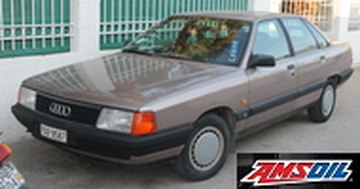
Maintenance Guidance for the 1984 Audi 5000 2.2L
Maintaining an older vehicle requires attention to specific fluid requirements to ensure mechanical components function as intended. For the 1984 Audi 5000 with the 2.2L engine, following the correct specifications for transmission and engine lubrication is a primary component of routine upkeep.
What transmission fluid does my 1984 Audi 5000 2.2L take?
Depending on your specific drivetrain configuration, several fluids are listed for this vehicle. For manual transmissions and transaxles, MTGPK-EA — Manual Transmission & Transaxle Gear Lube 75W-90 is listed. For automatic transmission applications, the Signature Series Multi-Vehicle Synthetic Automatic Transmission Fluid (ATFPK-EA) and OE Multi-Vehicle Synthetic Automatic Transmission Fluid (OTFQT-EA) are listed.
Engine Oil Viscosity Options
When performing engine oil service on this 2.2L application, there are specific SAE viscosity grades listed in the database for use. The allowed viscosities for this vehicle include 10W-40 and 5W-40. Selecting a viscosity from these listed options helps maintain the lubrication standards established for this engine type.
Managing Engine Oil Levels
Regularly checking the engine oil level is a fundamental maintenance task. Because this vehicle is an older model, monitoring the dipstick during routine inspections can help identify if the engine is consuming oil or if there are external leaks present. It is important to check the oil level when the vehicle is parked on a level surface and the engine has been allowed to settle after running.
Transmission Fluid Inspection
Beyond selecting the fluids listed above, periodic inspections of the transmission system can be beneficial. For automatic configurations, checking the fluid level and condition via the dipstick (if equipped) allows for monitoring the clarity and scent of the fluid. For manual transaxles, inspecting the seals around the gear lube input and output points can help identify potential leaks before they lead to low fluid levels.
Service Intervals and Documentation
To maintain this vehicle properly, you should follow the manufacturer maintenance schedule for all fluid changes and mechanical inspections. Because specific mileage or time intervals are not provided in the technical data, referring to the owner's manual is the only way to determine when an oil change or transmission service should occur. Keeping a detailed record of when fluids were changed and which products were used can assist in long-term vehicle management.
General Fluid Maintenance Considerations
Maintaining a clean environment around the engine and transmission components can make it easier to spot new leaks. When performing any fluid service, ensure that all drain plugs and fill plugs are handled with care to avoid stripping threads or damaging seals. Using the correct tools for the specific plug types found on this 1984 model is essential for preventing mechanical damage during routine maintenance tasks.
What differential or gear oil does my 1984 Audi 5000 2.2L take?
The following gear oil is listed for this vehicle:
- FGRQT-EA — 75W-90 Long Life Synthetic Gear Lube
What coolant does my 1984 Audi 5000 2.2L take?
The following products are listed for this vehicle:
- ANTPC1G-EA — Passenger Car & Light Truck Antifreeze & Coolant
- ANT1G-EA — Low Toxicity Antifreeze and Engine Coolant
When should I change the oil in my 1984 Audi 5000 2.2L?
To determine the correct oil change interval, follow the owner's manual or the manufacturer maintenance schedule.
What oil does my 1984 Audi 5000 2.2L take?
The following oils are listed for this vehicle:
- XLOQT-EA — XL 10W-40 Synthetic Motor Oil
- AMOQT-EA — Premium Protection 10W-40 Synthetic Motor Oil
- AFLQT-EA — SAE 5W-40 MS Synthetic European Motor Oil
What oil filter does my 1984 Audi 5000 2.2L need?
The following oil filter is listed for this vehicle:
- EAO34-EA — AMSOIL Ea Oil Filters
BUYING ENGINE OIL
When you are ready to purchase lubrication for your engine, ensure you are selecting from the listed viscosities of 10W-40 or 5W-40. Always verify that the product you are purchasing matches these specific grades to align with the requirements for this 2.2L application.